

Disclosure: This post contains affiliate links. If you make a purchase through these links, we may earn a small commission at no extra cost to you. We only recommend products we personally use and trust
The key to finding any good wildlife experience is to remember the wild in wildlife. If you are touching, feeding or coercing animals into interacting with you, then you are not keeping the animals wild. Ethical wildlife encounters need to happen entirely on the animals’ terms, without disrupting their natural habitats or routines. You should never be touching or feeding the animal; if it’s offered as part of the tour, then use that as your sign to say no and find a different tour or way to encounter that particular animal. Sometimes there isn’t an ethical way to see an animal unless you happen across it by chance, but that just makes those chance moments that much more special!
The wildlife experiences we describe below are all on the animals’ terms; if they don’t want to be around you, they simply won’t be around you. So you do risk going on a tour and not getting to see the animal you wanted to see. It’s a risk you need to be willing to take if you want the chance of seeing an animal in the wild. We firmly believe that the tours you go on offering these encounters need to be giving back to the communities and animals that they work with too. It’s not enough to ensure you aren’t harming the animals; we need to be protecting their habitats and future populations too.
We loved each and every one of these tours and eco-sanctuaries because they do just that, striving for a better future. Going on these tours or visiting the eco-sanctuaries we describe below is a great way to help with ongoing conservation and research for the animals you get to encounter. Not only do you get an incredible experience, but you are helping to make sure these species are around for future generations too.
Costs outlined in this blog post are accurate at the time of writing (Jan ’26)
Be sure to check out our Instagram to see more ethical travel tips and tours
Swimming with Dusky Dolphins in Kaikōura
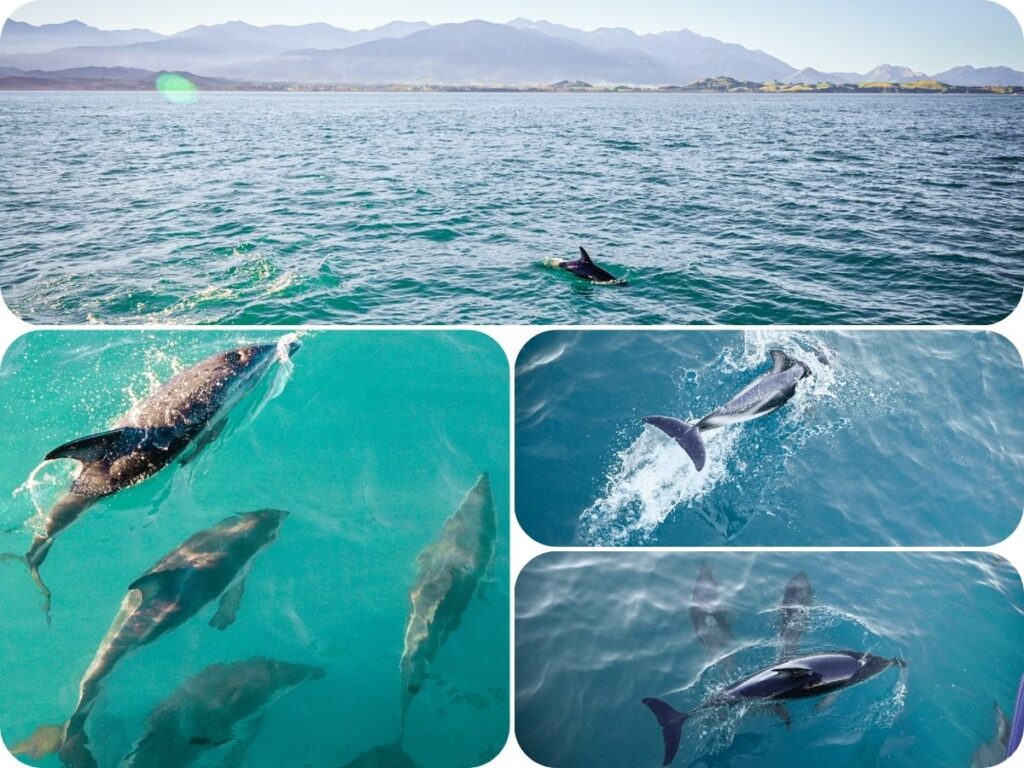
Dolphin Encounter
Eco Certifications: Department of Conservation (DOC) approved and smart operator, Qualmark Gold (Sustainable Tourism New Zealand) and The New Zealand Tourism Sustainability Commitment.
How They Give Back: A portion of each fare goes toward conservation projects like the Whale and Dolphin Trust. They also volunteer with conservation groups and share sightings and IDs with research institutes to help the continued protection of the marine wildlife in Kaikōura.
Cost: $245 per adult to swim with the dolphins, $135 per adult to watch from the boat.
We heard so many people raving about the experience of swimming with dolphins in Kaikōura. Honestly, we doubted them a little bit. It just sounded too good to be true! But they were literally all right; this is an experience of a lifetime. If you are going to do only one thing on this little list, make it swimming with the dusky dolphins. The world’s most acrobatic and interactive dolphins.
It is such a privilege to get to swim and play with these dolphins. They are incredibly curious and loved spinning around and diving down with us in the water. We had big goofy grins on our faces the entire time. You will want to be relatively confident in the water and have a bit of fitness about you, as the dolphins are fast! If they don’t want you to swim with them, you won’t be able to swim with them. That’s how you know this is an ethical encounter. The dolphins aren’t enticed to come swim near you; no one feeds them or does anything to keep them near the boat. They come up to you because they are curious! Honestly, it’s amazing and something we will remember for the rest of our lives.
Kiwi Spotting on Rakiura (Stewart Island)
Beaks & Feathers
Eco Certifications: DOC approved, Qual Mark Silver.
How They Give Back: Helping to reach a predator-free Rakiura by trapping for invasive species like rats and possums.
Cost: $130 per adult
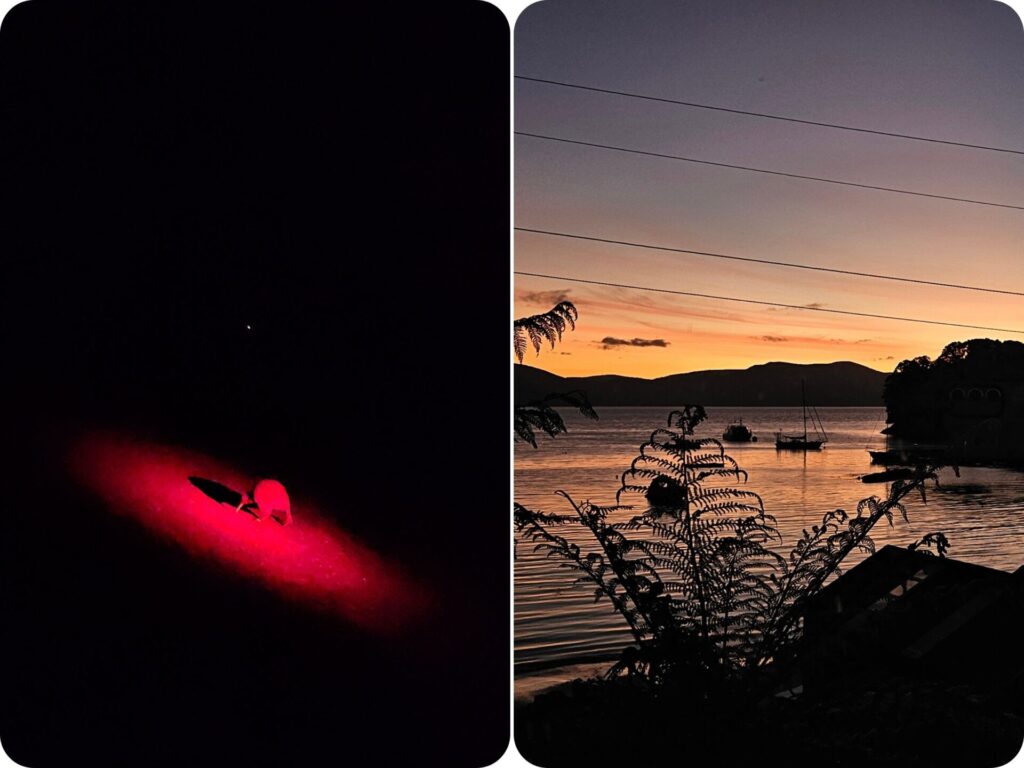
Something that is incredibly high on most people’s list of animals to see in Aotearoa is a kiwi. What a lot of people don’t realise before getting to New Zealand is that kiwis are nocturnal. So if you want to see one in the wild, you need to be out and about at night. We tried spotting one by ourselves by camping at DOC campgrounds and wandering around at night with a red light (red lights don’t harm the sensitive night vision of nocturnal animals), but whilst we heard some occasionally, we never spotted one.
We saw our trip to Rakiura as the perfect opportunity to go on a kiwi spotting tour. We chose Beaks and Feathers, as it is a locally run operation with small tour group numbers. It was quite the adventure waiting in town for nightfall and then going up to their private land to try and spot a kiwi. We got about halfway through the tour walking around with no luck before our guide spotted one with her red torch. It was so exciting! We spent most of the encounter watching with our own eyes, instead of through a camera lens. But we did manage to capture the above picture. Such cute fluffy little birds!
Kayaking With Seals in Kaikōura
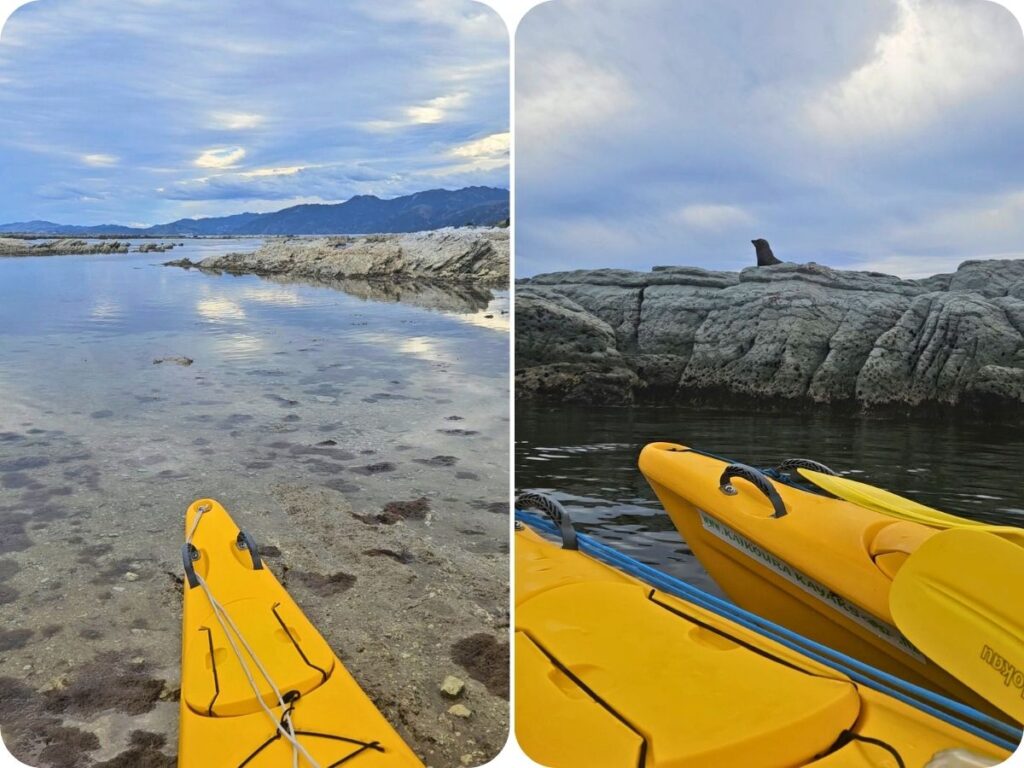
Kaikōura Kayaks
Eco Certifications: Friends of the Sea (a project of the World Sustainability Organisation), the New Zealand Tourism Sustainability commitment and Qualmark Gold.
How They Give Back: Donations to volunteer organisations in support of marine research, care and conservation. Wildlife observations are shared with DOC. Staff are well educated in providing ethical wildlife encounters and passing on public education to help protect the Kaikōura coastline. They even partake in beach cleanup days to keep coastlines healthy for local wildlife.
Cost: $160 per adult
We had a great time kayaking and seeing some of the wildlife of Kaikōura. Just kayaking in the bay with the mountains behind you and smooth glassy waters all around would have made for an incredible little tour. But then you add in the wildlife and the knowledge of your guides, and it’s even better! We were lucky enough to see New Zealand fur seals (which are actually sea lions, not seals) lounging on the rocks.
We then paddled a little away from the rocks and got to watch one swimming in the water from our kayak. We even saw it eating an octopus and using the water to help it eat its dinner! Then, to cap off an epic time on the water, we got even more lucky with a little blue penguin swimming in the water on our return to the shore!
Little Blue Penguins in Oamaru
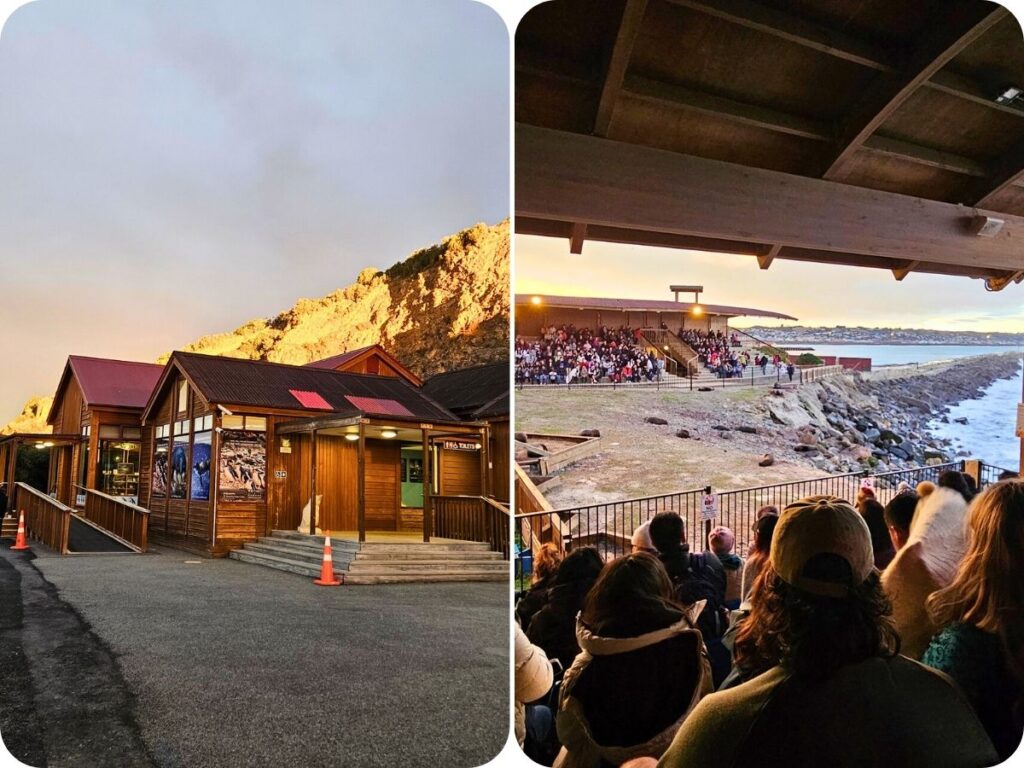
Oamaru Pengiuns
Eco Certifications: Qualmark Gold, Net Zero Carbon Lite certified.
How They Give Back: Heavily involved in conservation and research for little blue penguins. Providing habitats, rehabilitation of injured penguins and trapping for predators.
Cost: $47 per adult for general viewing and $63 per adult for premium viewing
We were unsure if we wanted to do this one but are super glad that our friends really wanted to do it, and we don’t like missing out! We paid for the premium viewing and are really happy that we did. These seats offer you a much closer vantage to view these gorgeous little penguins waddling up to their nighttime shelters. There are fewer people in this area too, with individual seats instead of bench seating.
The talk and info about the penguins’ lives and activities at sea was really great too. We stayed until the guide counting the penguins returning home told us it was time to leave. Not many people stayed this long, but it gave us the chance to get closer to the side of the seating area so we could watch the penguins swimming into shore and climbing up the rocks. It looks like quite the effort to get out of the waves and onto shore!
With the premium viewing seats, you get to walk through the penguin colony with the chance of seeing a few birds cooling off before entering their little homes. It’s a rather special night watching these little birds coming home from a day of fishing as the light changed around you and dusk descended quietly onto the sea.
Snorkeling in Poor Knights Island
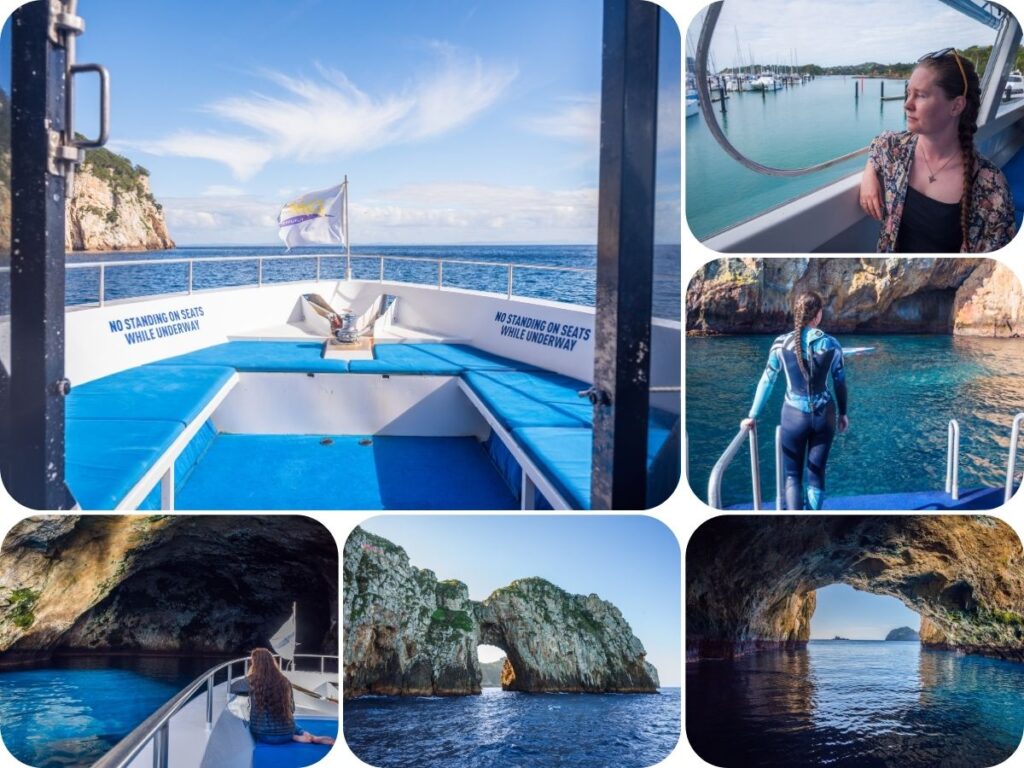
Dive! Tutukaka
Eco Certifications: Qualmark Gold. Locally owned and operated
How They Give Back: Partners with the Department of Conservation (DOC), sponsors the Northland marine education programme and is heavily involved in the local Ngunguru School to help bring all the children there to Poor Knights Island and educate the kids on scuba dives.
Cost: $255 per adult
Poor Knights Island is home to an abundance of marine life and the world’s largest sea cave! A trip out there with a perfect-day cruise lets you experience both. The islands are a marine and nature reserve with stunning coastal cliffs and archways. We spent most of our time in the water snorkelling. We loved seeing the fish and different types of seaweed but have snorkelled on the Ningaloo Reef and found this to not be as vibrant as the coral there. This was definitely one of those wildlife encounters where we were left a little disappointed for not seeing a lot of wildlife. But that is exactly how we know this cruise is operated in an ethical manner; no wildlife were coaxed to come swim with us!
Don’t get us wrong, we had an abundance of fish swimming with us and still had a great time. We just didn’t get to see any sea lions, stingrays or turtles. We were on the fringe of the season for the more tropical creatures, so that didn’t work in our favour either. Be sure to come in summer for more abundant sea life, but you will also have a much busier boat. We liked how peaceful our trip was due to the fringe season having far fewer people on the trip.
We still think it’s well worth going out to experience this marine wonderland any time of year; just pick which one would suit you better! There is no guarantee of seeing the larger marine mammals, so we were pretty happy to be snorkelling with fewer humans and not seeing much more than the fish and coral. If you’d like to know more about the entire trip with Perfect Day Cruise, we wrote an honest review about it here.
Meeting Native Birds on Tiritiri Matangi Island
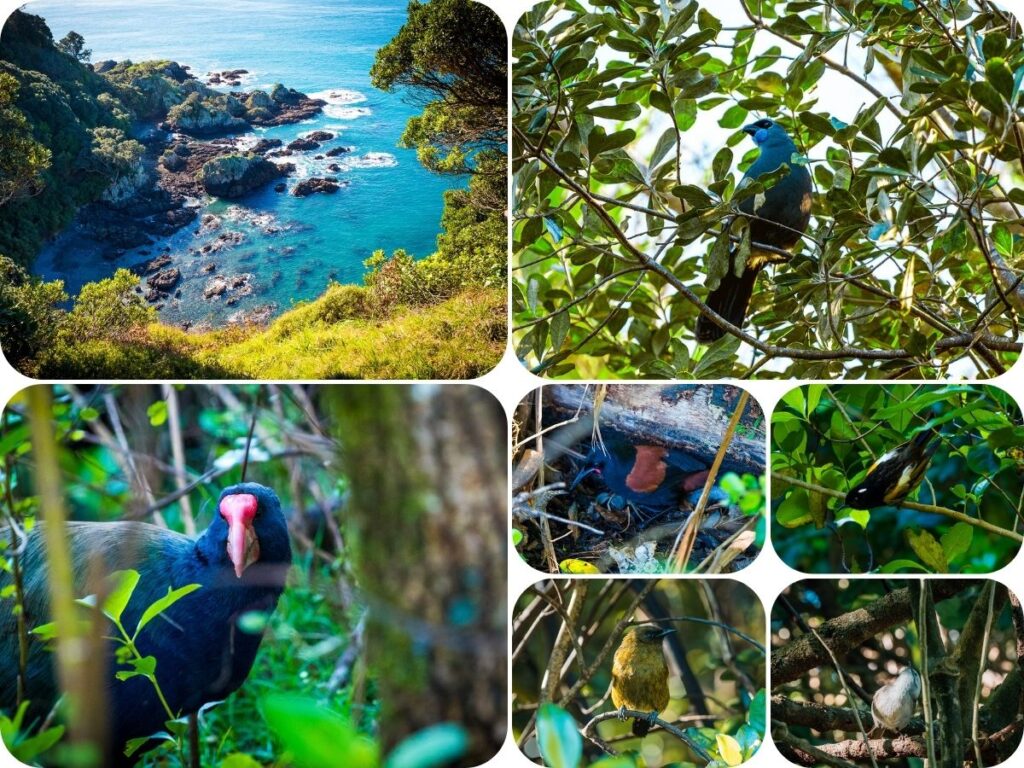
Explore Group New Zealand
Eco Certifications of the Ferry: Qualmark Gold, Committed to Sustainable Tourism, and DOC approved.
Eco Certifications of the Island: United Nations Decade on Ecosystem Restoration
How They Give Back: All proceeds from the island shop and tours on the island go directly to conservation and education activities carried out on the island. The ferry company in turn supports the conservation efforts of the island through Supporters of Tiritiri Matangi.
Cost: $110 per adult for the ferry there and back
This was honestly one of the best experiences we had in Aotearoa. This little island is an absolute beacon of conservation. Brought back from a private farming island to the eco sanctuary we see today by the hands of many volunteers and the Friends of Tiritiri Matangi Island Group. It’s hard to believe that the majority of the forest and trees on this island are actually quite young, only being replanted in 1982. In 1993 the volunteers succeeded in eradicating all pests from the island, and it became the pest-free paradise it is today.
The island is practically bursting with birdsong, which you can hear before even stepping foot on the wharf from your ferry ride out here. Be sure to take one of the guided walks so you can learn more about this incredible eco sanctuary and the birds that call it home. We spent the entire day on the island and wish we had stayed longer! There are so many species of birds here.
The biggest highlight of our day was definitely spotting 3 Kōkako! These incredible birds were so high on our list of animals we wanted to encounter in Aotearoa. We managed to spot one from quite a distance away on our guided walk. It was so far away, though, that Nathan couldn’t properly see it. We then didn’t see any on our walk and thought perhaps that was the only Kōkako we would get to see. Luckily for us, Tiff spotted one near the visitor centre. It was well into the trees, but we could see its little blue wattle and were pretty chuffed with that encounter! Then we got even luckier when we were finding a lunch spot. Nathan was set on getting to a chair in the forest to eat lunch, but Tiff, as usual, was dawdling. Luckily she did because just around the corner was a kōkako sitting on a branch at the edge of a path. It was so easy to see!! It just sat there looking at us as we marvelled at this beautiful bird! So the moral of that story is birdwatching takes time; don’t rush, and you might just see the bird you are looking for.
Swimming With Hectors Dolphins in Akaroa
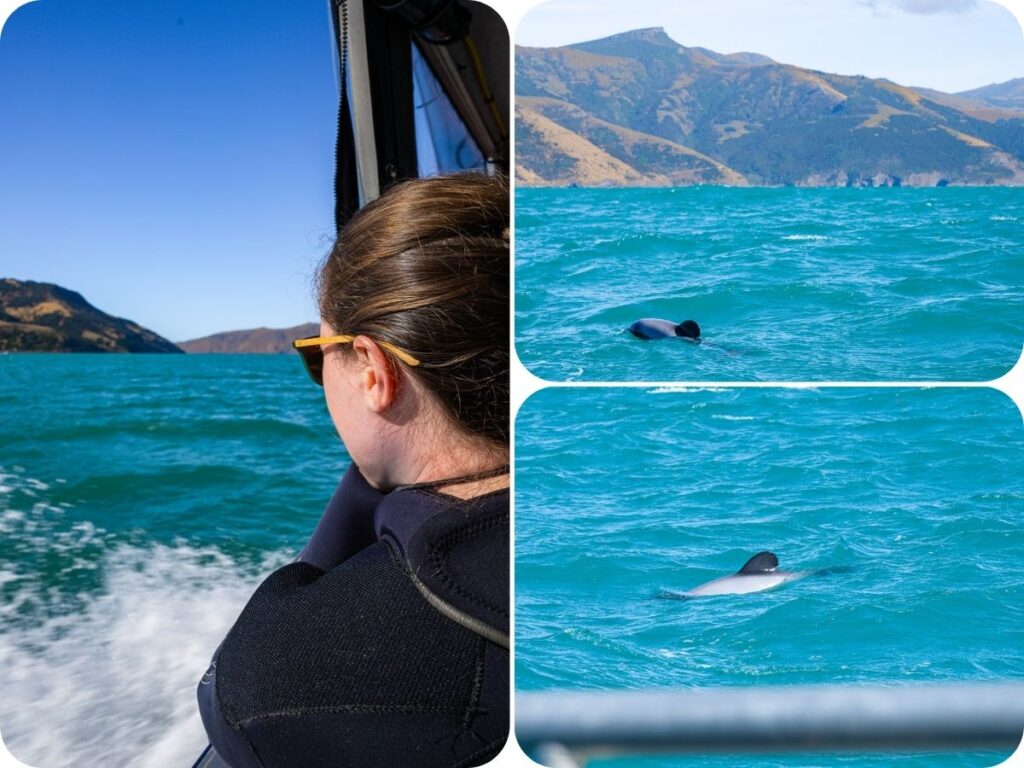
Black Cat Cruises
Eco Certifications: DOC SMART operator, Qualmark Gold, Green Globe 21
How They Give Back: Support the NZ Whale and Dolphin Trust, contributing to marine protection and research. Open communication of dolphin numbers and movements with DOC to aid in conservation and research. A portion of every fare goes towards conservation and community projects.
Cost: $210 for an adult
A vastly different experience from swimming with the Dusky Dolphins. Hector’s dolphins swim in much smaller pods and are themselves smaller and less inquisitive than the dusky dolphins. That doesn’t mean that swimming with them was any less magical; it was just different. Hector’s dolphins are the world’s rarest and smallest dolphins, making the chance to swim with them in their natural habitat incredibly special. We were so lucky to have a couple of dolphins take a real interest in our group and hang around for our entire time in the water.
We actually got pulled out of the water whilst the dolphins were still investigating! Part of the dolphin protection means you are only allowed a set time in the water interacting with them, which is a great way of showing how ethical the encounter is, as they prioritise the dolphins’ wellbeing over tourists’ wants. It was an incredible experience watching them swim around and getting close to us. They have such a unique dorsal fin that looks like a Mickey Mouse ear. The nature guides on board the boat gave us some great info on the dolphins and Akaroa as well. It was a morning to remember!
Zealandia
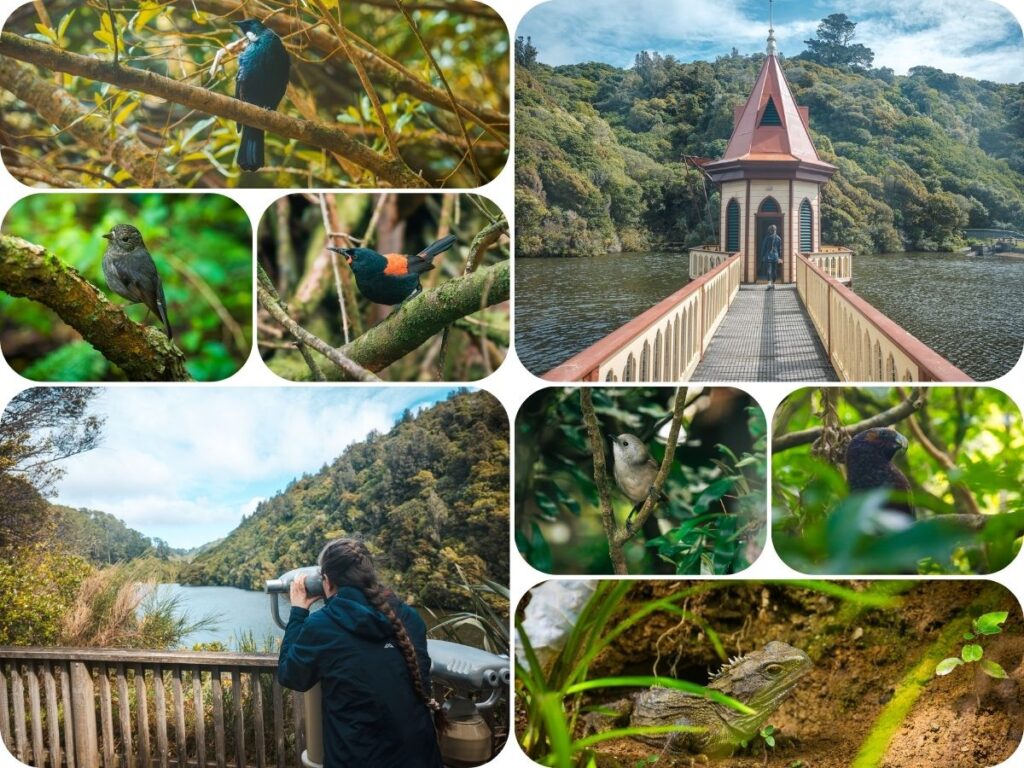
Zealandia
Eco Certifications: Qualmark Gold, Net Carbon Zero, Not-for-profit
How They Give Back: An eco-sanctuary in the heart of Wellington that is bringing the birds back to the city. This 225-hectare sanctuary is home to some of the rarest species in Aotearoa. They contribute to conservation and restoration within and outside of the eco sanctuary.
Cost: General admission is $26 per adult for New Zealanders and $31 per adult for international visitors.
Make sure you give yourself an entire day to wander around Zealandia, and if you have the time, go back for a night tour and the chance to spot a kiwi (the bird that is). This first-of-its-kind fenced eco-sanctuary provides a predator-free environment for some of Aotearoa’s rarest native species to thrive. Take your time wandering the grounds, and you should be lucky enough to see a vast array of native birds soaring through the branches. You really do need to spend a day here and take it slowly on the trails. The slower you go, the less chance you have of scaring off any of these remarkable birds. They are all wild and free to roam about as much as they like. So the slow method is the best way to see as many as possible. Be sure to check out some of the free talks that happen near the Kākā feeders as well. We had a great time chatting with a few of the volunteers, and we learned so much about the birds. This was one of our highlights of not just Wellington, but all of Aotearoa. We love birds, and this is one of the best places to see lots of native birds all at once! You will also get to spot some tuatara in the fenced enclosure, along with some weta in the hiding holes with viewing windows dotted along the paths of the park.
Keen for more inspo? Be sure to check out:
- The Best South Island Paid Experiences in New Zealand
- Common Vanlife Mistakes And How To Avoid Them
- 10 Hidden Gem South Island Photography Spots